The glow every parent should know about

Why a white reflection in a child’s eye should never be ignored  Parents spend the better part of their children’s lives taking hundreds, sometimes thousands, of photos. We capture birthdays, holidays, milestones and everyday moments that become lifelong memories.  But what if one of those photos was trying to tell you something important about your child’s eyes?  A white, silver or golden reflection in a child’s pupil – not to be confused with red-eye caused by a flash - can sometimes be more than a camera effect. This reflection is called leukocoria, often referred to as “the glow.” While it can occasionally be caused by lighting or photography, it can also be an early warning sign of a number of serious childhood eye conditions, including some that can lead to…

contact lenses

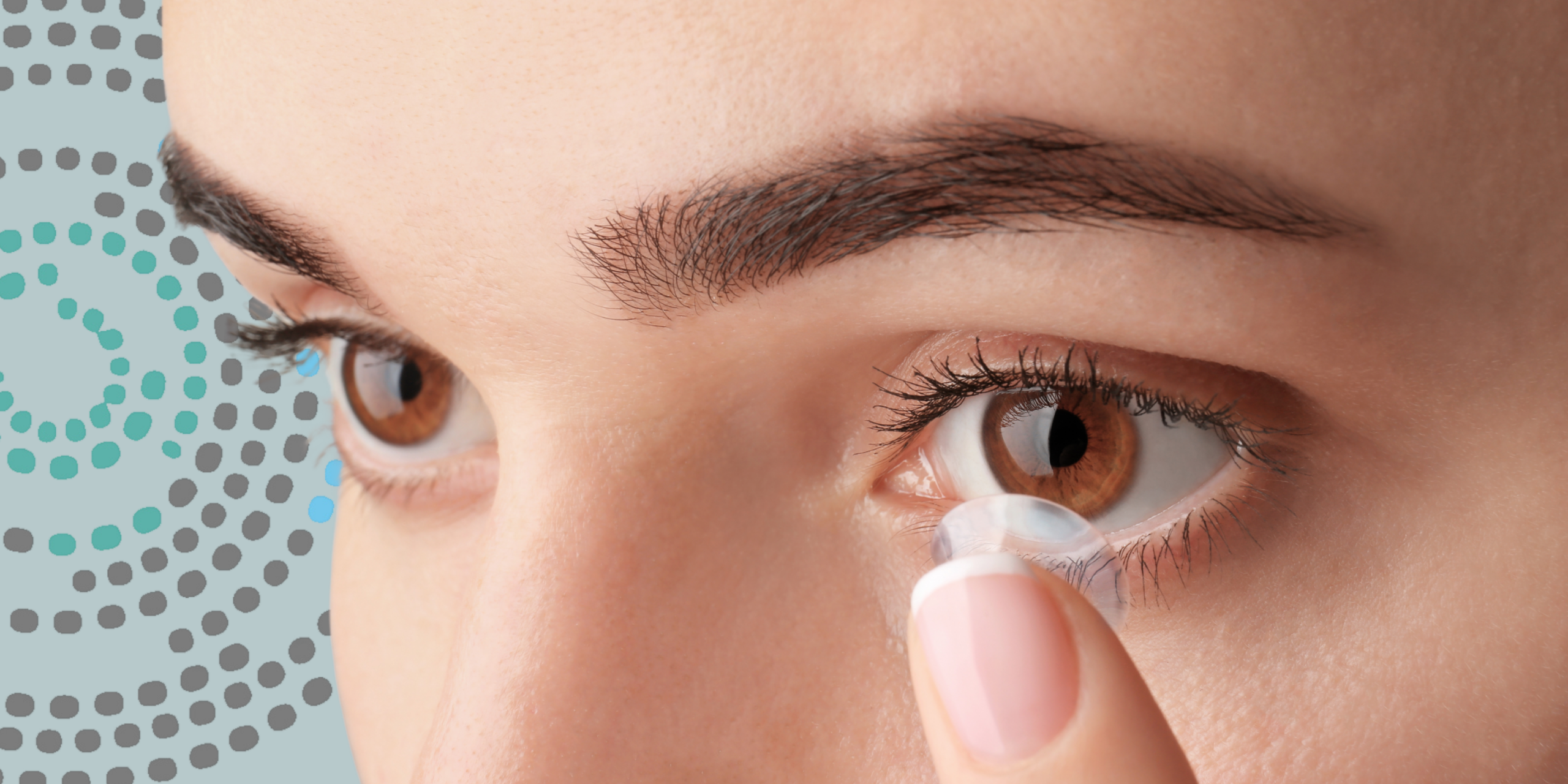
The hidden impact of contact lenses on your eyes: 7 things every wearer should know

For millions of people, contact lenses are part of everyday life. They’re convenient, discreet and are usually a simple solution to blurry vision.  But what many contact lens wearers may not realise is that lenses don’t just correct vision. They also change the environment of the eye in subtle ways that can affect comfort, dryness and long-term eye health.  If you’ve been wearing contact lenses for years, this article will help you understand what’s happening on the surface of your eyes and why regular eye examinations matter, even when your vision seems perfectly fine.    1. Your cornea needs oxygen One of the most important things that contact lens wearers often don’t know about is that your cornea gets its oxygen directly from the air.  Unlike most tissues in the…

CAIRS

CAIRS: A New Chapter in the Treatment of Keratoconus

How donor corneal tissue is helping preserve vision when other treatments aren't enough  When most people think about eye health, they think about eye tests, glasses, contact lenses or laser eye surgery. Few have heard of Keratoconus, and even fewer know about one of the latest advances in the treatment of advanced Keratoconus, namely CAIRS.  Yet for people living with Keratoconus and feeling like they're at the end of the line when it comes to minimally invasive treatment options, this innovative procedure is offering renewed hope by improving the shape and stability of the cornea while potentially delaying, or even avoiding, the need for a corneal transplant.  So, what exactly is CAIRS, and where does it fit into the journey of treating Keratoconus?    First things first: What is Keratoconus?  The cornea is the…

Serum Tears: The Dry Eye Treatment That’s Making All the Difference

Dry eye may sound like a minor infliction but anyone who has lived with chronic dry eye knows it can quietly take over daily life. Eyes burn. Vision fluctuates. Screens become exhausting. Wind feels aggressive. Contact lenses become unbearable. Some people wake up feeling as though their eyelids are lined with sandpaper.   And then there’s the question or interesting contradiction that needs answering: Why does severe dry eye cause the eyes to water constantly?  For people who have tried “every eye drop under the sun” without much relief, one treatment is drawing increasing attention for a very simple reason: it works differently.  The eye-drop treatment is called autologous serum tears, or serum tears for short. And unlike ordinary lubricating drops, they’re made from something your body already knows intimately... your own blood.    So, what exactly are serum tears?  Serum tears are specialised eye drops created from a patient’s own blood serum, the…

Pterygium

A pterygium is a triangular growth of abnormal conjunctival tissue that invades the cornea. Its development is not related to injury or inflammation. 90% of pterygia are located nasally, the nose side of the eye. Both eyes are frequently involved but often only one. The pterygium can advance to involve the visual axis causing marked loss of visual acuity. The pterygium can be distinguished from a pingueculum, which is a small-elevated yellowish mass, which can become inflamed. The pterygium grows in the interpalpebral fissure (that is the exposed part of the eye) as an elevated fleshy mass of the conjunctiva. Symptoms Burning, irritation, tearing and a foreign body sensation may accompany the growth of a pterygium onto a cornea. Astigmatism may be induced and may lead to decreased vision. As…

The role played by Cornea transplant co-ordinator

Many hundreds of corneal grafts taking place annually in South Africa, the need for which continues to increase. Corneal transplantation, also known as corneal grafting, is a surgical procedure where a damaged or diseased cornea is replaced by donated corneal tissue (the graft). When the entire cornea is replaced it is known as penetrating keratoplasty and when only part of the cornea is replaced it is known as lamellar keratoplasty. What is recoded below is a snapshot of the process undertaken to ensure that the donor cornea is harvested and delivered to the surgeon timeously for the graft to take place. The graft co-ordinator is contacted by a hospital to notify them of the passing of a donor patient. The medical history of the donor patient is reviewed to confirm…

Presbyopia

What is Presbyopia? Are you always searching for your reading glasses? Have you ever wished that there was a solution to this problem? When you are in front of the television your glasses are either in the bedroom, kitchen, car or even at the office. With the development of technology there is an operation available which could eliminate this problem and make the "old" eye as good as new. Reading problems will start to occur at the age of about 40 years and affects just about everybody after 45. When the eyes are focusing close up, the lens changes its shape. The diameter increases and light rays are focused on the retina. As we get older the lens grows and when the space is too limited to adjust its shape,…

What is Glaucoma?

Glaucoma What is glaucoma? In the normal eye a watery liquid is constantly produced and drained away through tiny drainage canals. This fluid maintains a pressure within the eye that remains constant as long as the fluid drains as quickly as it is produced. The normal intraocular pressure is between 10 and 21 mm Hg. Glaucoma may occur when there is a build-up of pressure within the eye due to clogged or covered drainage canals, where the eye fluid cannot drain away. Glaucoma is a physical condition within the eye and it is not a form of cancer or tumor, it is not infectious or contagious, it is not a danger to life itself. Glaucoma is a painless and silent disease and if it is left untreated or neglected, it…

World Down Syndrome Day

FOR THIS ARTICLE, NDSS INTERVIEWED DANIELLE LEDOUX, MD ASSISTANT IN OPHTHALMOLOGY AT CHILDREN’S HOSPITAL, BOSTON AND INSTRUCTOR IN OPHTHALMOLOGY AT HARVARD MEDICAL SCHOOL Down syndrome has effects on the developing eye which can impact the proper development of vision. Eye disease is reported in over half of patients with Down Syndrome, from less severe problems such as tear duct abnormalities to vision threatening diagnoses such as the early onset of cataracts. Particular attention should be paid to vision in people with Down syndrome. What is Different About the Eyes in Individuals with Down Syndrome? Dr. Ledoux: As any family member of a person with Down syndrome knows, there are characteristic features about the eyes. This includes upward slanting of the eyelids, prominent folds of skin between the eye and the…

CSR Initiative

As part of our CSR initiative, we at the JHB Eye Hospital strive to help our community through the support of all our doctors, by assisting with restoring the gift sight to members of the community who need our help. [video width="352" height="640" mp4="https://www.jhbeye.com/wp-content/uploads/2021/02/govender.mp4"][/video]