
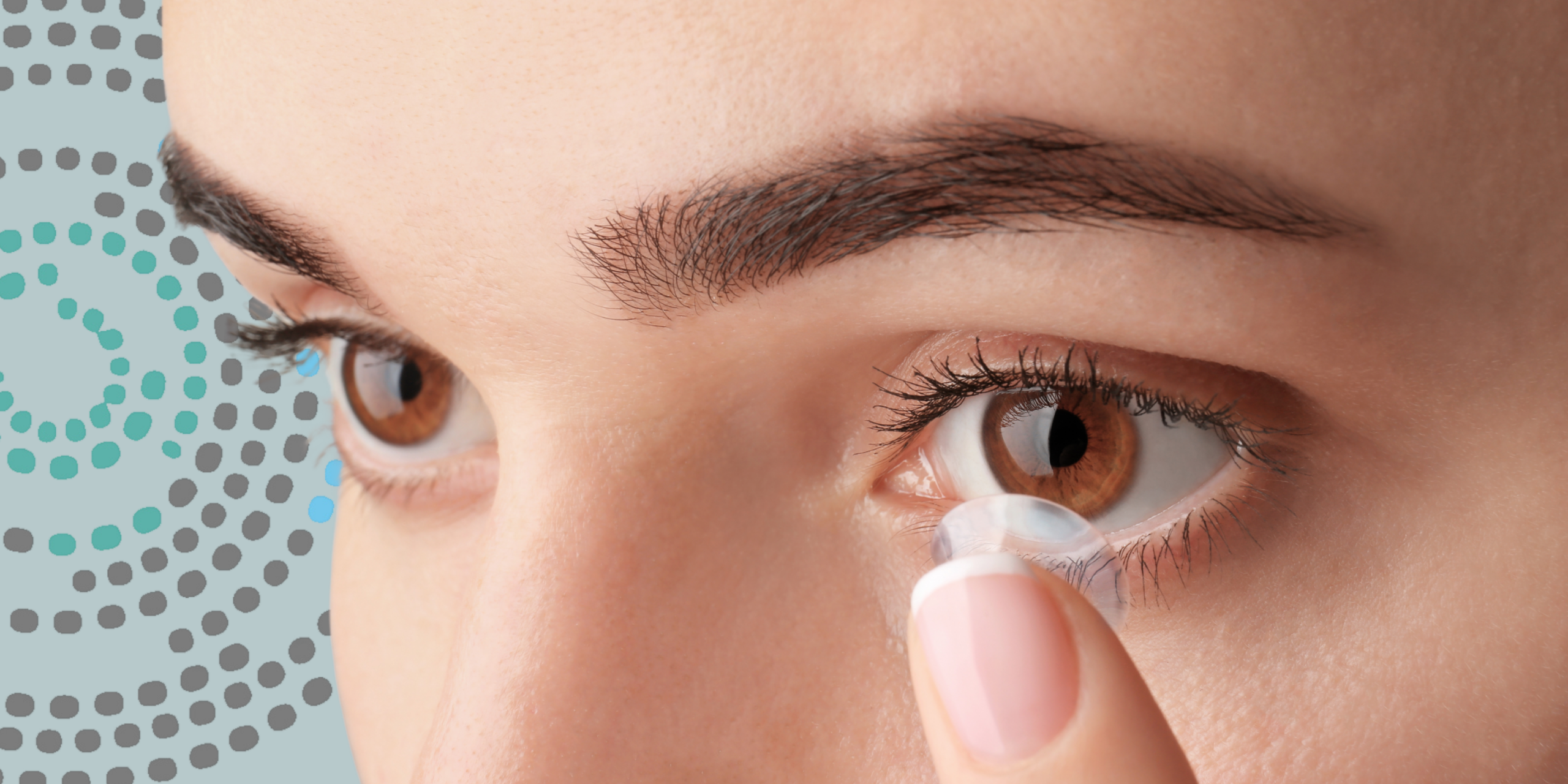
For millions of people, contact lenses are part of everyday life. They’re convenient, discreet and are usually a simple solution to blurry vision.
But what many contact lens wearers may not realise is that lenses don’t just correct vision. They also change the environment of the eye in subtle ways that can affect comfort, dryness and long-term eye health.
If you’ve been wearing contact lenses for years, this article will help you understand what’s happening on the surface of your eyes and why regular eye examinations matter, even when your vision seems perfectly fine.
1. Your cornea needs oxygen
One of the most important things that contact lens wearers often don’t know about is that your cornea gets its oxygen directly from the air.
Unlike most tissues in the body, the cornea has no blood vessels. Oxygen reaches it through the tear film and the surrounding air.
When you wear contact lenses, they sit directly on the cornea and create a barrier between the eye and the atmosphere. Fortunately, today’s lenses are designed to allow oxygen through. However, they still reduce how much oxygen reaches the cornea compared with wearing no lenses at all.
This is one reason why wearing lenses for longer than recommended can increase the risk of irritation, inflammation and other complications.
2. Dry eyes become more common over time
Many long-term contact lens wearers notice that their lenses become less comfortable as the years go by.
You may find yourself using lubricating drops more often and removing your lenses earlier in the day. You may get to a stage when your eyes feel constantly tired or irritated.
Contact lenses can disrupt the natural tear film, which is the protective layer that keeps the surface of the eye smooth and comfortable.
Dry eye symptoms often include:
- burning or stinging
- grittiness
- fluctuating blurry vision
- excessive watering
- general contact lens discomfort
Dry winter conditions, eye allergies, air conditioning, heating, screen time and certain medications can all make these symptoms worse.
3. Sleeping in contact lenses is a serious risk
Falling asleep with your contact lenses in might seem harmless, especially if it only happens occasionally. Unfortunately, it’s one of the biggest risk factors for contact lens-related eye infections.
When your eyes are closed, the amount of oxygen reaching the cornea decreases even further. A contact lens worn overnight creates an environment that can make it easier for bacteria and other micro-organisms to affect the cornea.
Serious infections can develop rapidly and, in some cases, threaten vision if not treated promptly. Even lenses approved for extended wear carry a higher infection risk than lenses removed before sleeping.
4. Lense replacement is essential
It’s surprisingly quite common for people to stretch the life of their contact lenses beyond the recommended time they should be replaced. The problem is that lenses gradually accumulate deposits from tears, proteins, oils and environmental contaminants.
An older lens may become less comfortable, reduce visual quality, increase dryness, and raise the risk of irritation or infection. Whether you wear daily, fortnightly or monthly lenses, replacing them when recommended is one of the simplest ways to protect your eye health.
5. Screens and contact lenses are not a great combination
If your eyes feel worse at the end of a workday, your computer may be playing a bigger role than you realise. People blink less frequently when using digital devices. Less blinking means the tear film evaporates more quickly, which can make contact lenses feel dry and uncomfortable.
Many people who work in offices experience a combination of digital eye strain and contact lens-related dryness without recognising that the two are connected. Simple habits such as blinking consciously, taking regular screen breaks and keeping screens slightly below eye level can make a noticeable difference.
6. Clear vision doesn’t always mean healthy eyes
This is perhaps the most important point to take note of. Many contact lens-related problems develop gradually over time and may not cause obvious symptoms in the early stages. You can often see well through your lenses while changes are occurring on the surface of the eye.
Regular eye examinations allow an optometrist or ophthalmologist to check for:
- corneal health
- tear quality
- lens fit
- oxygen-related changes
- early signs of contact lens complications
An eye exam is not only about checking your prescription. It’s about checking the health of the eye itself.
7. Contact lenses may not always be your best option
For some people, contact lenses remain an excellent long-term solution. For others, increasing dryness, discomfort, lifestyle demands or contact lens intolerance may make them less practical over time. This is often when people begin asking questions such as:
- Could I reduce my reliance on contact lenses?
- Am I a candidate for laser vision correction?
- What would my vision be like without lenses?
Refractive surgery isn’t suitable for everyone, and a thorough assessment is essential. But many people are surprised to discover that they may be candidates for procedures that can significantly reduce their dependence on glasses or contact lenses.
The first step is simply finding out and the best way to do this is by booking a free refractive screening at JHB Eye Laser Centre. It’s as easy as clicking here: https://jhbeye.com/refractive-laser-procedures/#book
A comprehensive assessment can determine whether you’re a suitable candidate for laser vision correction and help you understand the best options for your eyes.
Book your FREE refractive screening today and take the first step towards clearer, more comfortable vision.